
Author
Tessa Stoppelenburg
Date
December 16, 2025
Category
Informative
Returns are one of the biggest challenges of daily operations for many online stores. On average, nearly one in five products is returned, and in certain product categories such as clothing, this can be as high as 40 - 50%. But 2025 has seen a significant shift in how we handle returns. In this blog, we look back at the trends of the past year that will help you transform your returns process from a cost to a strategic advantage. So you can start the new year prepared.
Automations taking over.
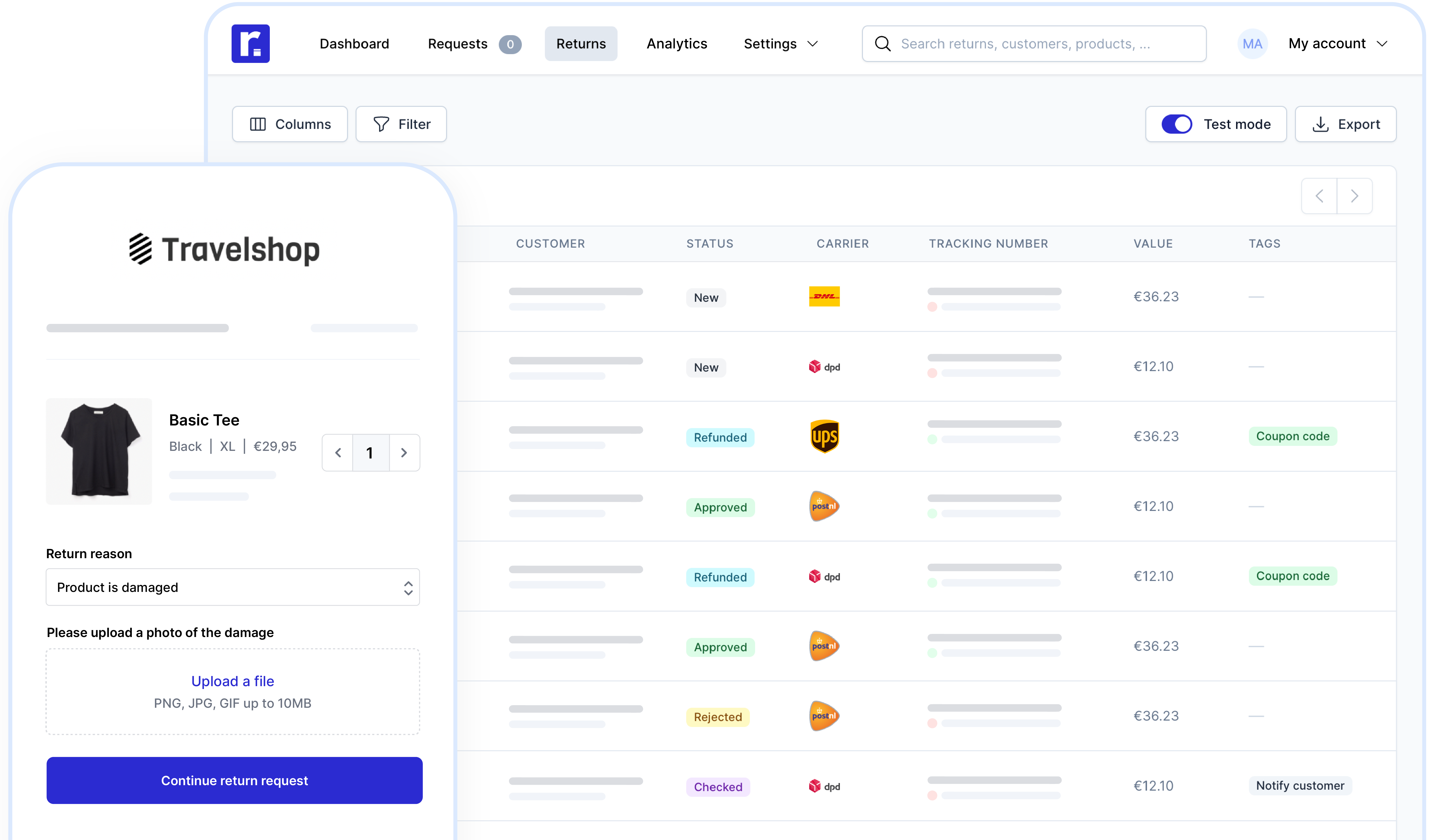
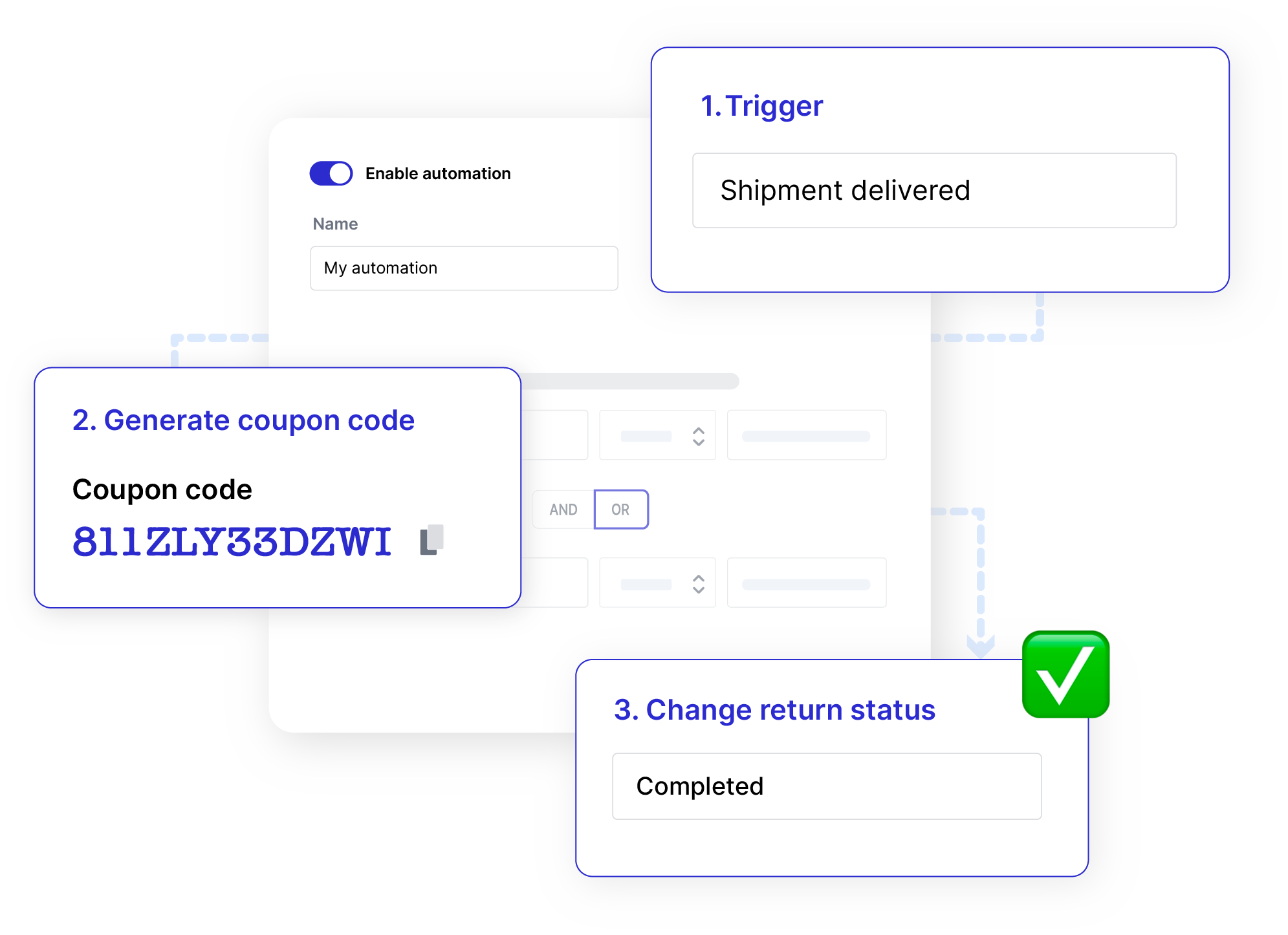
The days when you had to manually process every return are definitely coming to an end. In 2025, it was all about smart automation doing the heavy lifting for you. With a returns platform, you can handle as much as 95% of your returns process automatically. Which means your team can focus on more complex customer inquiries and other important tasks.
Consider, Return Rules that automatically decide whether a return is approved, whether a return label is free or paid, or whether a customer receives immediate store credit instead of cash back. These smart systems recognize patterns, and with the return data collected, you can even predict which products are likely to be returned so you can act proactively.
For you as a webshop, this means less time spent on administration, faster processing for your customers, and lower operational costs. A win-win-win situation.
Sustainability is the standard.
Of course, we can't forget sustainability for 2025. We saw that consumers are also becoming more environmentally conscious in their online shopping behavior, and that includes how they view returns. The old way - where return products are often destroyed or sent back and forth through inefficient routes - no longer fits with what consumers expect.
That's why you saw a big focus on circular returns processes in 2025. For example:
- Smart route planning where return products are sent directly to the right warehouse or repair service instead of duplicate shipments.
- Repair and refurbishment programs that give products a second life
- Transparency to customers about what happens to their returns
- Local drop-off points for returns, such as physical stores that reduce transportation
This sustainable approach is not only good for the environment, but also for your brand image and ultimately your sales. Customers are more likely to buy from an online store that takes responsibility for the entire life cycle of a product. Two examples of sustainable return strategies are fonQ and Tiny Library.
Data-driven optimization is indispensable.
Return data is golden. Instead of seeing returns as tedious administration, smart stores use this information to make structural improvements.
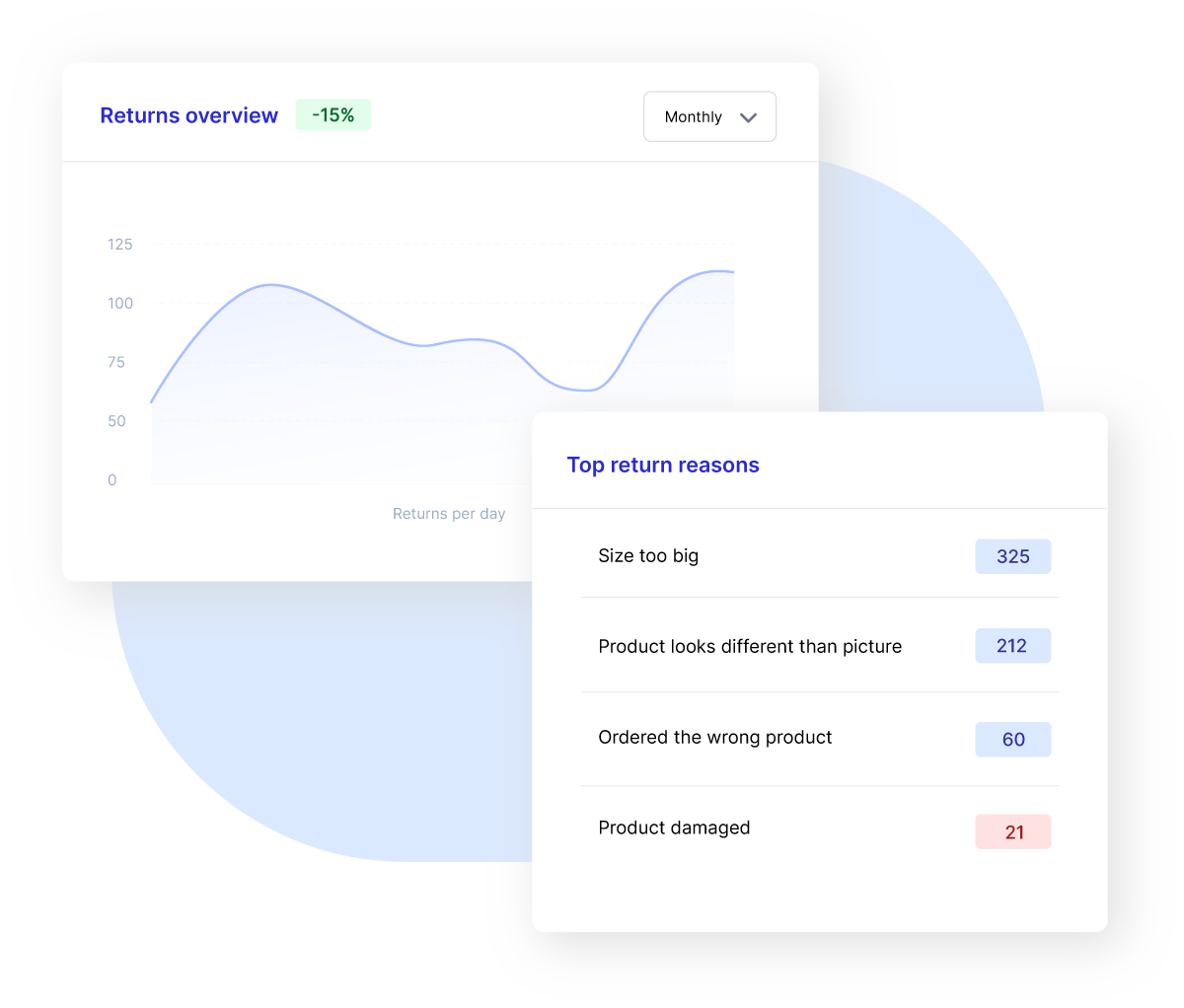
With advanced analytics, you can gain real-time insight into:
- Which products are returned most often and why
- Patterns in return reasons by product category or season
- Whether your product descriptions and photos are accurate
- Which suppliers or product lines are problematic
Using these insights, you can proactively reduce the number of returns. Maybe a certain clothing size turns out differently, or the product photos aren't clear enough. By tackling this at the front end, you can prevent customer frustration and unnecessary costs.
Flexible refund options are gaining ground.
Traditional refunds to bank accounts are no longer the only option customers expect. In 2025, we saw a shift to alternative refund methods that are more beneficial to both you and the customer.
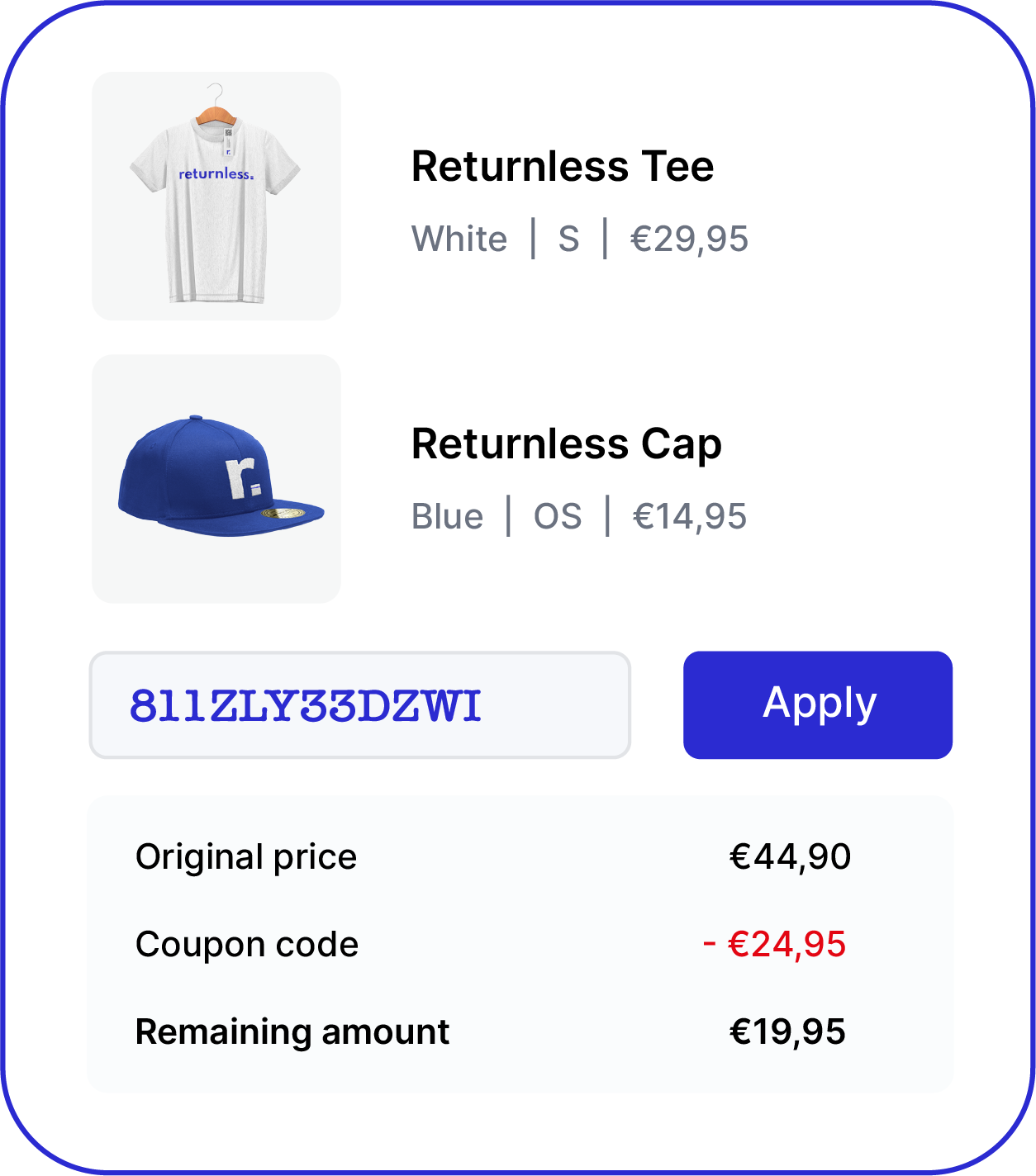
Shopping credit is becoming increasingly popular. By encouraging customers to keep their return amount as credit in your online store, you'll maintain sales within your business. Automatically generated coupon codes make this process seamless. Many customers even appreciate the added flexibility and the ability to quickly choose something else.
The benefits of store credit are:
- Turnover and customer retention in the event of a return
- Instant exchange options for a different size or color
- Faster processing of store credit versus traditional refunds
This does require an intelligent system that can handle these different scenarios without you having to be involved manually.
Seamless integrations as a foundation.
An isolated returns system separate from your other systems was no longer workable in 2025. So in 2026, it's a must that platforms integrate seamlessly with your CMS, warehouse management, customer service tools and logistics partners.
These integrations ensure that information is automatically synchronised. When a customer submits a return, inventory levels are updated, your warehouse is notified, and the customer automatically receives updates on the status of the refund. All without you having to intervene.
For web shops of any size, this is essential. Whether or not you have a separate returns team that works all day with different systems, smart integrations allow you to work more efficiently and avoid costly mistakes.
The customer experience remains central.
With all the technology and automation, don't forget one thing: returns are an essential part of the customer experience. A frustrating returns process can cause a customer to never order from you again, while a smooth process builds customer loyalty.
In 2025, customers expect:
- A user-friendly returns portal where they can manage their returns themselves
- Clear communication about every step of the process
- Fast processing and refunds
- Transparency about return costs and conditions
By offering the returns process in your own branding and ensuring a professional look and feel, you strengthen your brand identity even in the post-purchase customer journey.
Make 2026 your year.
Returns processing doesn't have to be a necessary evil that takes time, money and energy. By embracing the trends of 2025 and looking ahead to the new year, you can transform returns into a strategic part of your operations. Automation saves you valuable time, sustainability improves your image, data helps you make smarter decisions, and flexible options retain revenue within your business.
The online stores that are going to make a difference in 2026 are the ones that understand that a smart returns process not only saves costs, but also ensures satisfied customers who are happy to return. What steps will you take this year to take your returns process to the next level?
FAQ.
What is the impact of returns on margin and operating costs in 2025?
Returns will have a direct and structural impact on your margin in 2025. On average, one return costs between €10 and €20 in logistics, shipping and customer service. On top of this comes lost sales due to refunds, lost marketing costs and delayed re-sales. How much percent this eats up of your margin differs per webshop.
How can I make my return poces scalable during peak periods such as January?
Scale through automation and standardization. Automate return approvals, refunds and store credit and communication with Automations and Returnless Return rules. Reduce manual actions, work with clear conditions and offer self-service with a digital return form. That way you'll process more returns without additional staff or delays.
Read more about reducing costs during peak season here.What is the difference between refunds, exchanges and coupons as a return solution
With a refund, the revenue leaves your shop completely.
With an exchange, you retain the turnover, but the process is often manual and complex.
With coupons and store credit you give the customer a code equivalent to the value of the returned product, thus retaining sales, stimulating repeat purchases and speeding up your returns process.
What integrations are crucial for more efficient returns processing?
An efficient returns flow requires integrations with your e-commerce platform (such as Shopify, Magento or WooCommerce), your WMS, your shipping partners, and any marketplaces or ERP systems. This way, return data is automatically forwarded to your warehouse, customer service, finance or fulfillment.
What quick wins can I implement immediately to improve my returns processing?
Start by setting up a clear and transparent return policy, and a clear return form that matches your branding. Then you can start automating common returns, such as simple returns with small amounts. Then you can look at complex returns, such as defects or exchanges. Finally, you can further optimize your returns process with exchanges and coupons, and analyzing return data.
get started for free.
Play around and test out all features for free. Or schedule a demo with one of our colleagues if you'd like more info first.