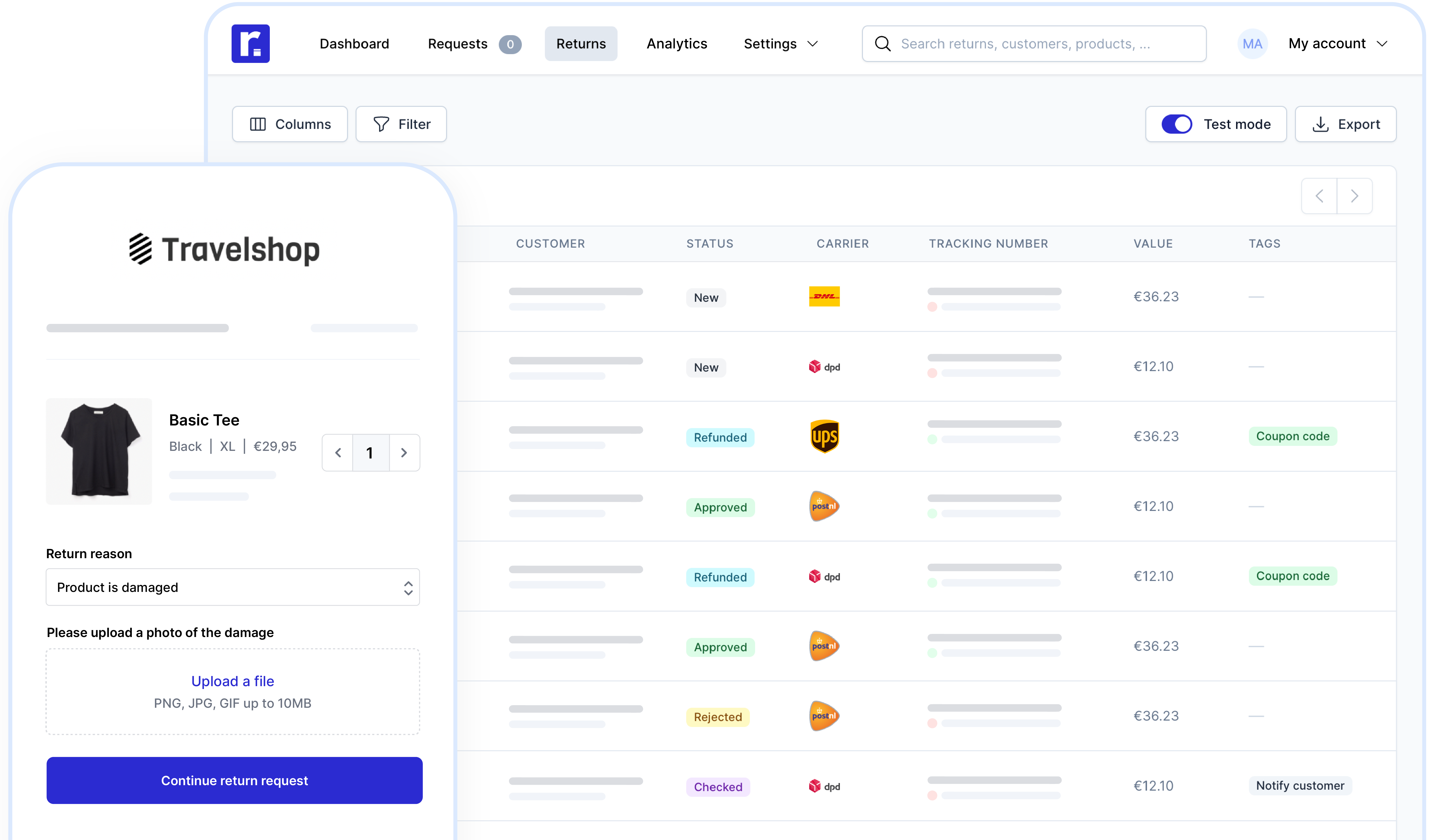
smarter returns for a lower impact.
Studio Anneloes uses returns as a tool for more sustainable business practices.
Studio Anneloes have managed to reduce their unnecessary shipments through paid returns, detailed return questions to gather richer data, and a Digital Product Passport that they have transformed into a personalised style tool. This way returns are prevented before the purchase decision is made

Customers pay a part of the return shipping costs. This makes the purchase a more deliberate decision and reduces unnecessary shipments.
Return rules and automations handle routine returns automatically. This frees up the team’s time for cases that truly require attention.
A detailed returns form provides more data per return, which are used to make product decisions and the purchasing strategy.
With a DPP, reusable packaging in B2B, and paid returns, Studio Anneloes already complies with upcoming EU regulations for textiles.
short intro.
Studio Anneloes is a Dutch women’s fashion brand founded in 2006 by Anneloes van der Heide. Studio Anneloes sells its products through its own online store, a native app, and more than 300 retail locations in the Netherlands, Belgium, Germany, and Austria. Sustainability and extending the lifespan of clothing have become key strategic pillars of the brand. Studio Anneloes is B Corp certified and sets high standards when it comes to transparency regarding production, material use, and environmental impact.
In addition to its own collection, the brand offers repair services and an official secondhand platform (Retravel). In the B2B logistics chain, reusable shipping bags are used to reduce packaging waste. Sustainability is not only embedded in the product but also in the operations surrounding it.
Tech stack:
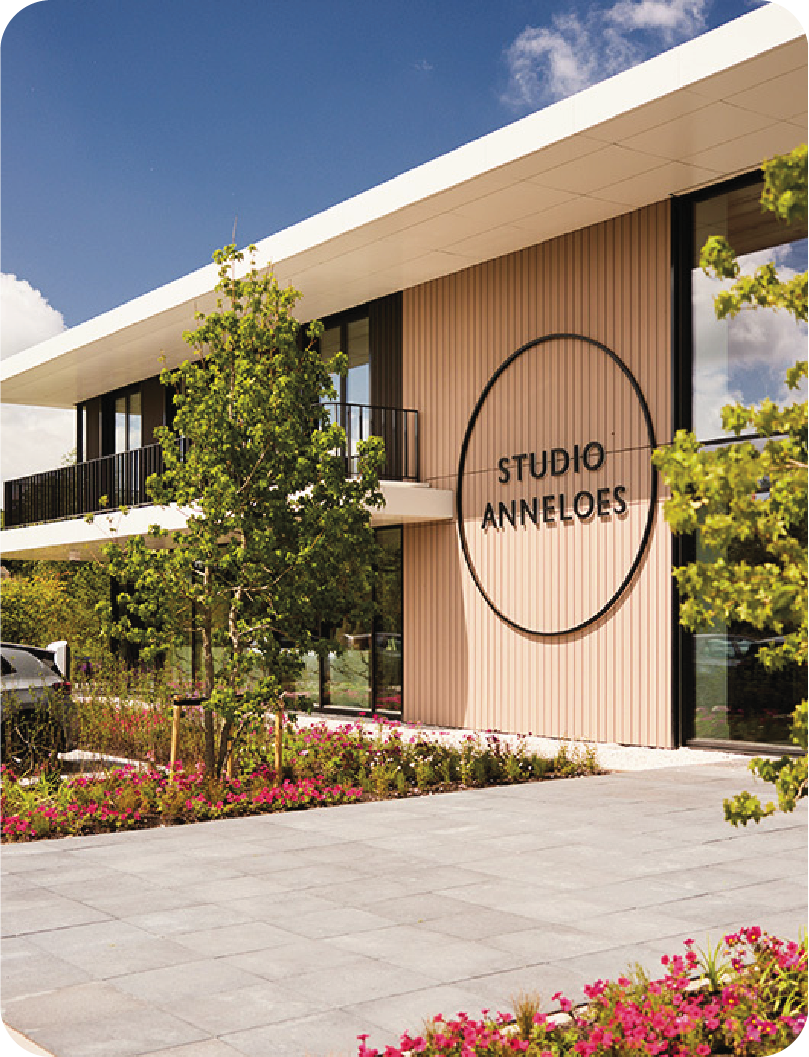


the success story of Studio Anneloes.
Managing returns without increasing our environmental footprint.
The fashion industry inherently has a high return rate. Size, fit, and expectations are difficult to assess online, and consumers often order multiple sizes at once. For Studio Anneloes, a brand that is mindful of its environmental impact, this presents a double challenge: returns are inevitable, but unnecessary shipments don’t align with a brand that is mindful of its environmental impact.
At the same time, Studio Anneloes is growing. More orders, more returns, more administrative work. The team needed to keep the returns process under control without letting the workload grow proportionally. And there was another need: more data. Not just knowing how many returns are coming in, but also why, by product, by size, and by market.
The solution had to do three things: automate the returns process, provide more insight into returns, and at the same time make customers’ choices more conscious.

A returns process that aligns with a sustainable brand.
Studio Anneloes uses Returnless for the entire returns process: from the returns form to processing in the warehouse. Through a custom integration with Business Central, returns are automatically linked to the original order in the ERP. Every step contributes to a smaller environmental footprint and better decision-making.
01
Studio Anneloes charges customers €3.95 for return shipping. Through Returnless, customers can request a return label and pay the fee immediately. This isn’t a barrier, but a deliberate consideration: is this return worth it? That leads to fewer impulse purchases and fewer unnecessary shipments.
02
In the return form, customers not only specify what they’re returning, but also why and what their expectations were. That data goes directly to Returnless Analytics and forms the basis for product improvements and purchasing decisions.
03
Returnless automatically processes routine returns using Return rules and Automations. This frees up the team’s time to focus on cases that truly require attention. As a result, returns are assessed accurately, and unnecessary shipments are prevented.

"For us, sustainability isn't just a campaign, it's truly woven into our DNA."
Désiree Laureijssen, Lead E-commerce at Studio Anneloes
Less manual work, more control.
Studio Anneloes uses Automations to keep the volume of returns manageable for the team. Peak return periods occur in April, May, and June, with higher volumes than in December. Without automations, this would immediately be reflected in the workload.
Returns that meet the criteria (within 30 days, in original condition) are automatically approved and immediately labeled. No manual review required.
Returns that fall outside the rules are automatically flagged for manual review. The team can immediately see which requests require attention, without having to scroll through all the returns.
Ready for the 2027 EU regulations.
While many brands still view the upcoming EU textile regulations as a distant prospect, Studio Anneloes has already incorporated most of the requirements into its daily operations. In the B2B logistics chain, between production sites and the warehouse, reusable shipping bags are used to reduce packaging waste, in line with the PPWR regulations. Through Retravel, items are given a second life, and repairs are offered as an alternative to returns, in accordance with the Right to Repair directive set to take effect in 2026. And then there’s the Digital Product Passport: 85% of the collection already has its materials and manufacture online available since 2023. This is years before the requirement officially takes effect in 2027. Read below to find out how Studio Anneloes subsequently leveraged the DPP as a commercial opportunity.
From a mandatory passport to a personal stylist.
Studio Anneloes implemented the DDP on a large portion of their product line, but they also made a painful discovery: almost no one was scanning the QR code. Their DDP was transparent, informative, and compliant with the law, but customers simply weren’t clicking on it.
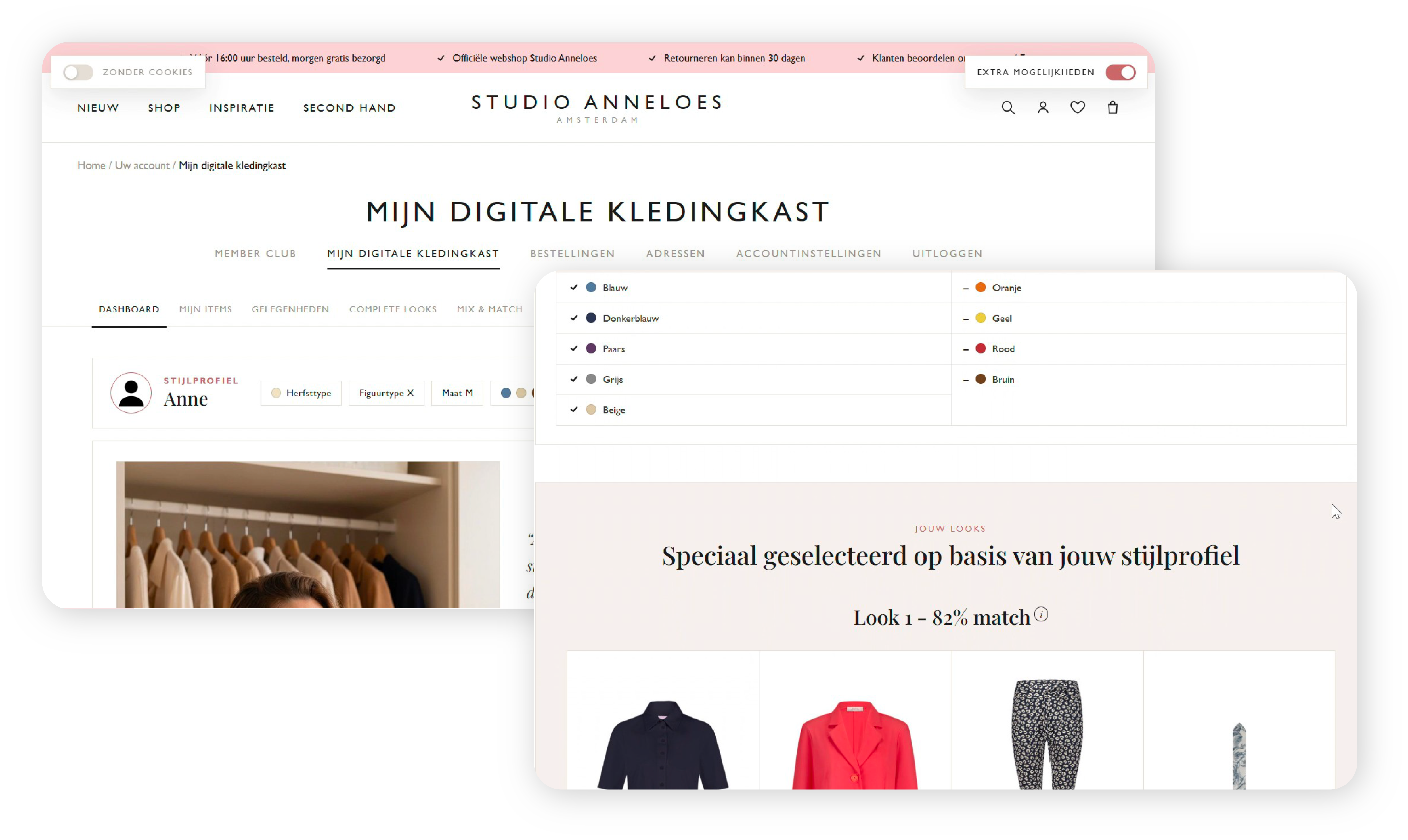
Instead of asking what information they should share with customers, the focus shifted to: “Why would customers want to use this?” To test this, they printed four different messages on their clothing hangers. The winner: “How to wear this,” with a scan rate of 10%. Nearly three times as much as their original version of the DDP. The conclusion was clear. Customers don’t want extra product information. They want styling advice.
That insight, combined with sentiment analysis of reasons for returns, became the basis for the digital wardrobe: a personalized style tool linked to the DDP. All purchases, including items from the 300+ retail locations, can be linked to the customer’s profile via a QR scan. A virtual stylist suggests outfits based on color profile and purchase history. This provides a proactive response to every recurring reason for returns.
View compliance as a business opportunity. Studio Anneloes had a large data platform sitting on the shelf for a year and a half, almost unused. Now it’s at the heart of their return prevention strategy.
get started for free.
Play around and test out all features for free. Or schedule a demo with one of our colleagues if you'd like more info first.